Aerodyne / Systems
Platforms and payloads.
Published capabilities for Aerodyne's aircraft, ground robot, and sensing systems. Performance depends on configuration and operating conditions.
01 / Air
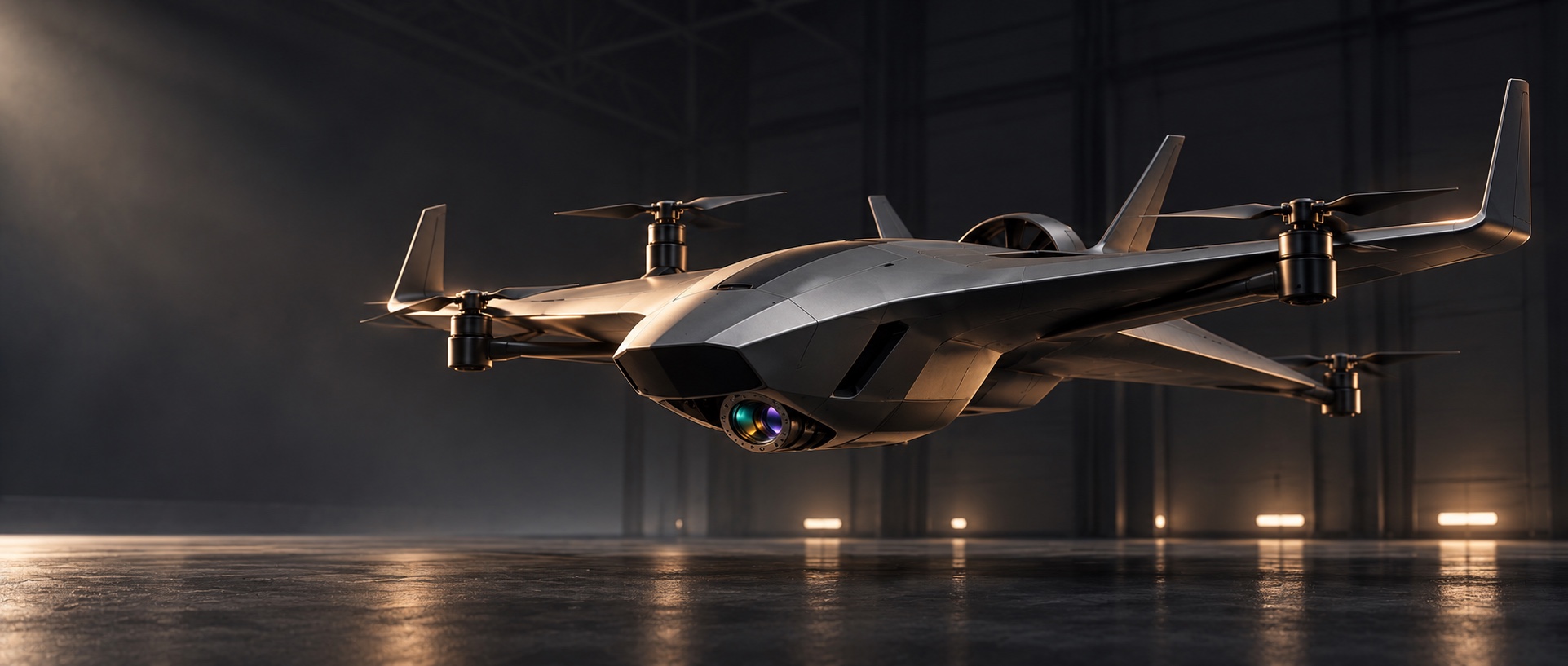
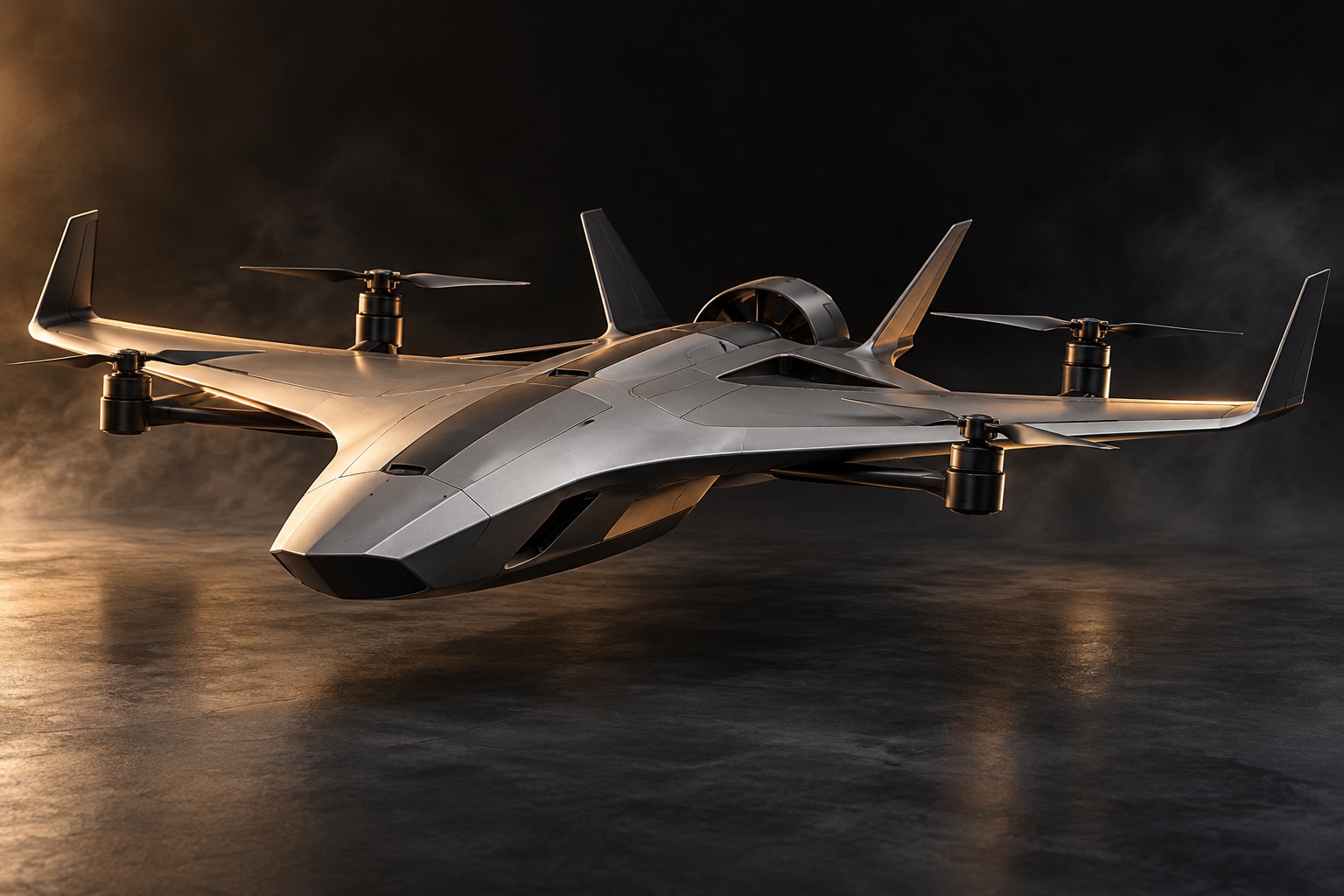
Hybrid-wing aircraft
The design combines propeller lift with winged flight. Speed and lift are central to its role at dispersed sites.
Published performance
- Speed
- Over 100 mph
- Flight time
- 45 minutes
- Lift capability
- 50 lb
Mission planning
Speed affects transit between inspection points. Lift capacity determines which optical, environmental, or equipment payloads can be carried. Flight time must be considered alongside route and payload.
These are separate performance figures. Payload, route, weather, and other operating conditions affect a specific mission.
02 / Ground
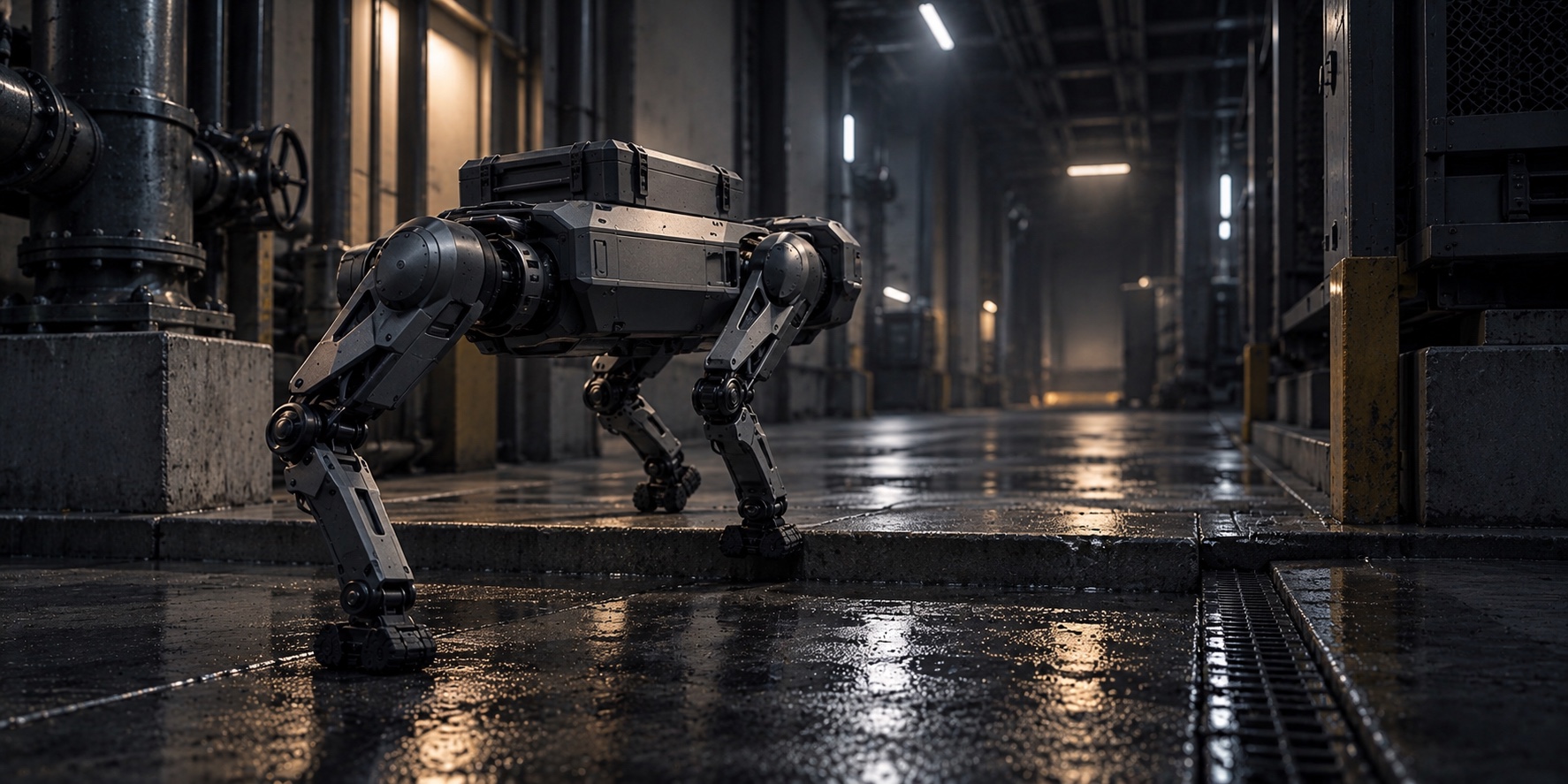
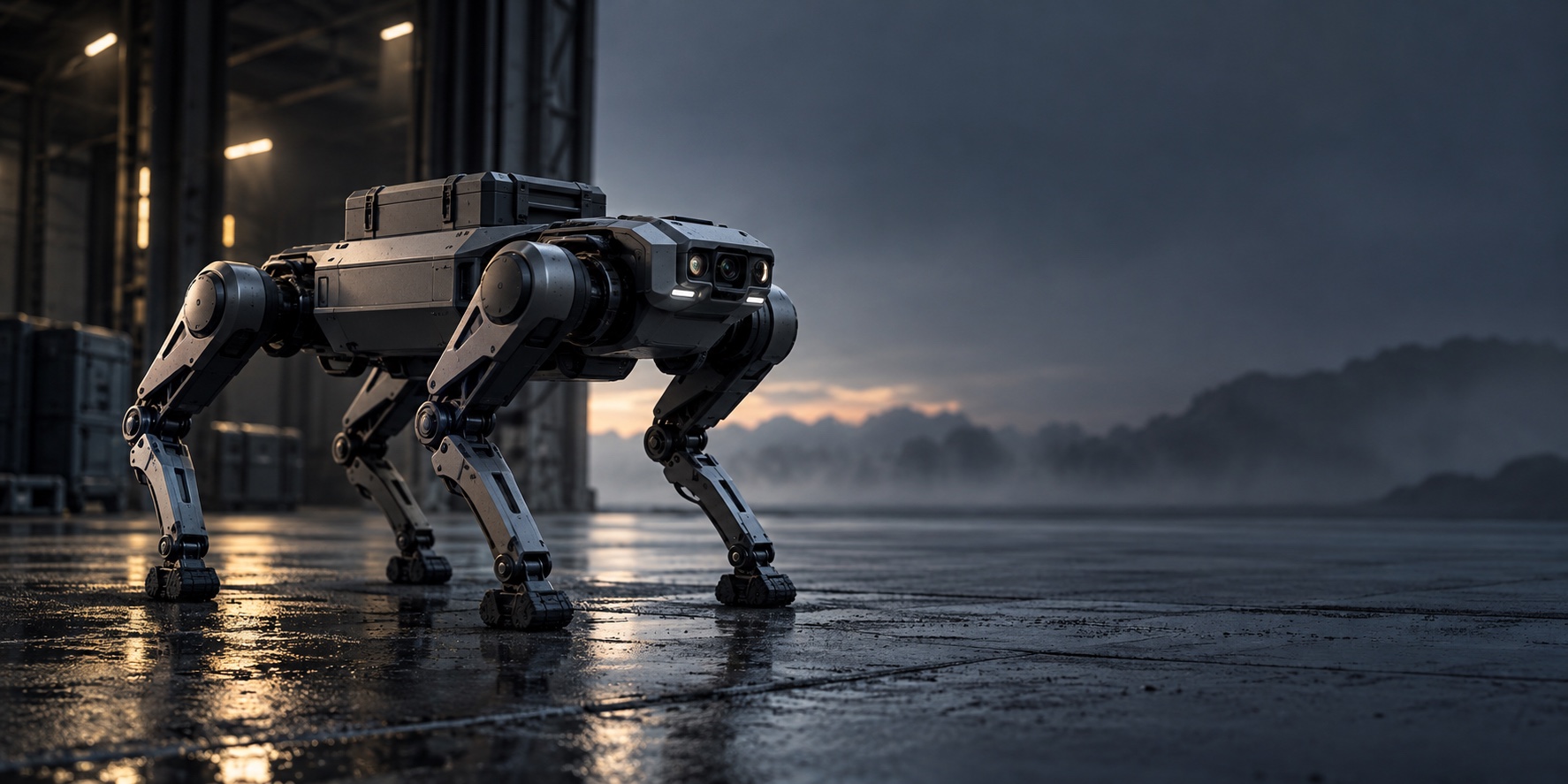
Quadruped robot
Four-legged mobility carries sensors and equipment across uneven ground. NVIDIA onboard processing supports autonomous function.
Published performance
- Lift capability
- 20 lb
- Battery runtime
- 3 hours
- All-terrain range
- 5 miles
Mission planning
The 20 lb lift capability sets the budget for instruments or equipment. Runtime and range help size a site round, while terrain and payload determine actual coverage.
Runtime and range vary with terrain, payload, and operating conditions.
03 / Sensing
Optics and environmental sensors
Air and ground platforms are more useful when they can collect the information a site requires.
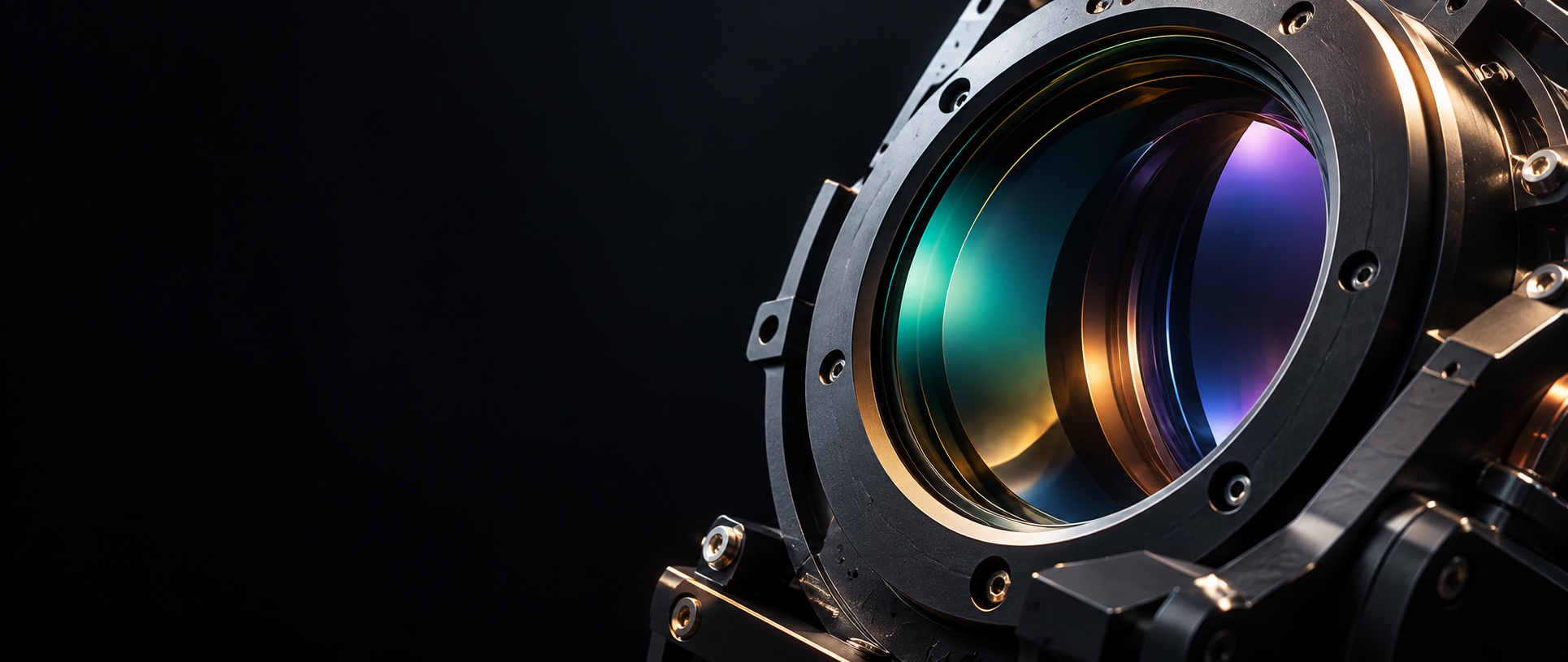
Areas of work
- Imaging
- Multispectral
- Optics
- Advanced optical systems
- Environment
- Field measurements
Mission fit
Multispectral imagery can add information beyond standard color photography. Optical and environmental payloads can be selected for inspection, mapping, and site assessment.
System configurations
Air and ground in context.